

Analyses the 2026 G20 finance ministers’ focus on IMF and World Bank reform, covering quota implementation, MDB capital adequacy and debt sustainability. - Written by Doğan Erbek
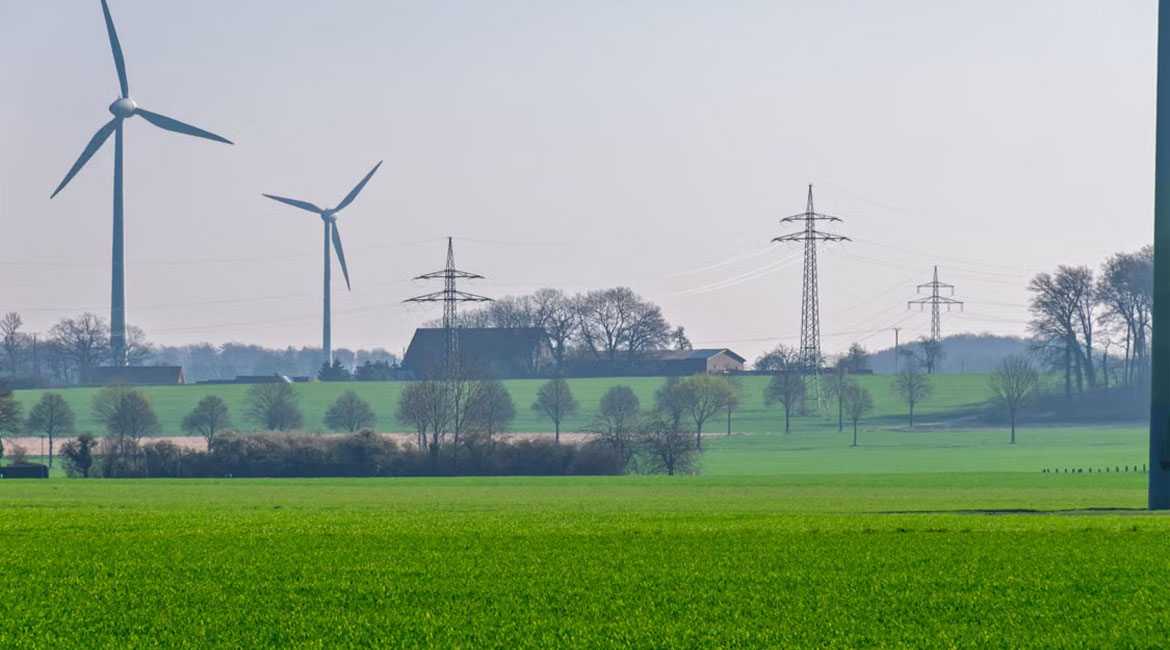
The recovery that never quite found its footing has hit another wall. On 21 May 2026, the European Commission published its Spring Economic Forecast, and the headline is stark: a renewed conflict in the Middle East has triggered a fresh energy shock, reigniting inflation and shaking economic confidence across the continent. - Written by Doğan Erbek

The OECD published its annual Employment Outlook on 7 July 2026, and this year's edition warrants close attention from anyone advising businesses on workforce strategy, cross-border structuring, or risk management. - Written by Doğan Erbek
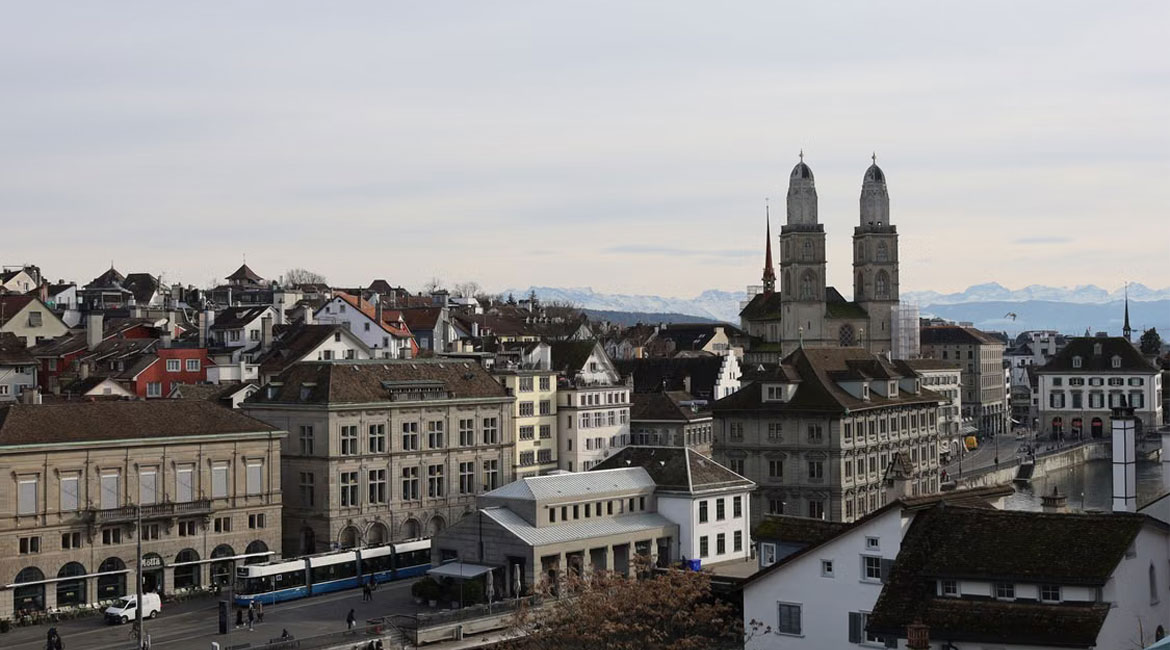
Across the globe, tax administrations are applying economic substance requirements with a level of rigour that has increased significantly over the past decade. The question they are asking is deceptively simple: does this entity actually do what it claims to do? - Written by Doğan Erbek

Switzerland’s economic resilience in the IMF’s latest assessment rests on strong institutions, low inflation, disciplined fiscal policy, and a still-credible external position, even as weaker global demand and tariff uncertainty weigh on the outlook. - Written by Doğan Erbek
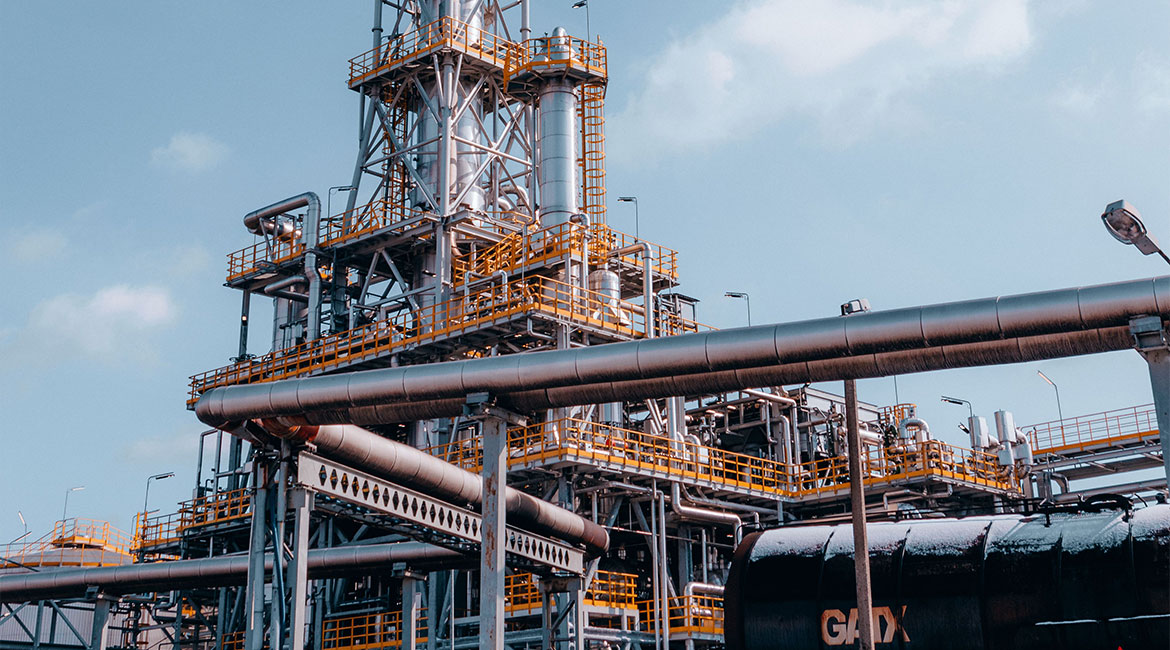
AI is reshaping the economics of new oil developments by shortening project cycles, improving subsurface decision-making, and reducing pre-sanction uncertainty in a more disciplined capital environment. - Written by Doğan Erbek
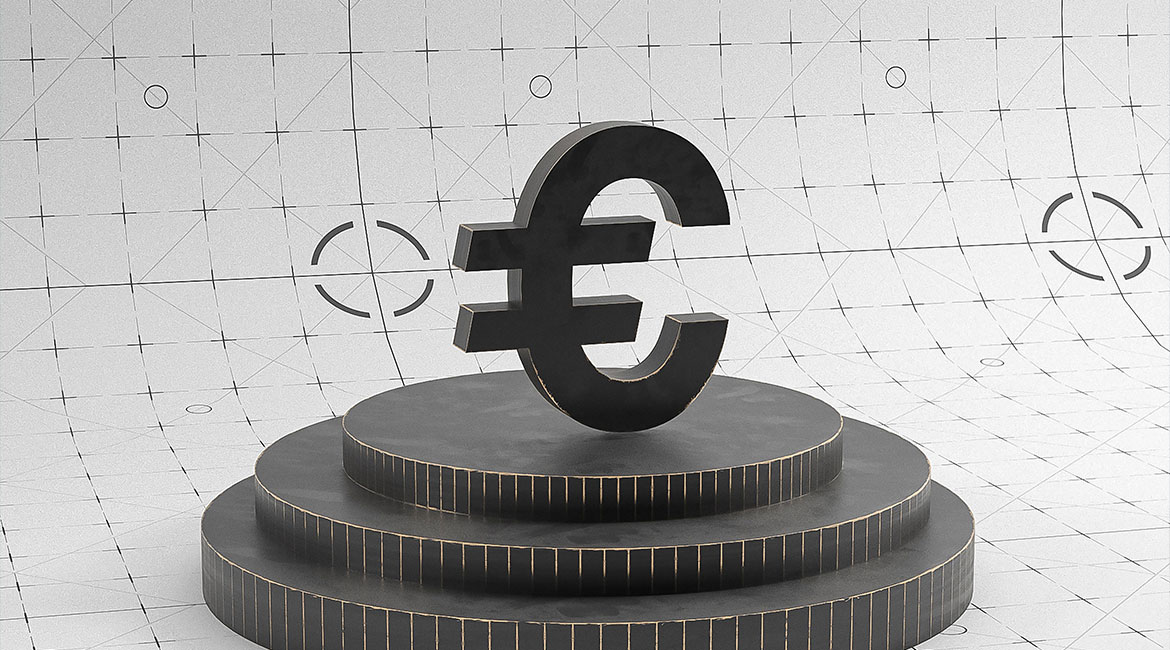
Europe is moving toward a digital euro launch by 2029, with new rules, pilot testing, and big questions around how people will pay in the future. - Written by Doğan Erbek
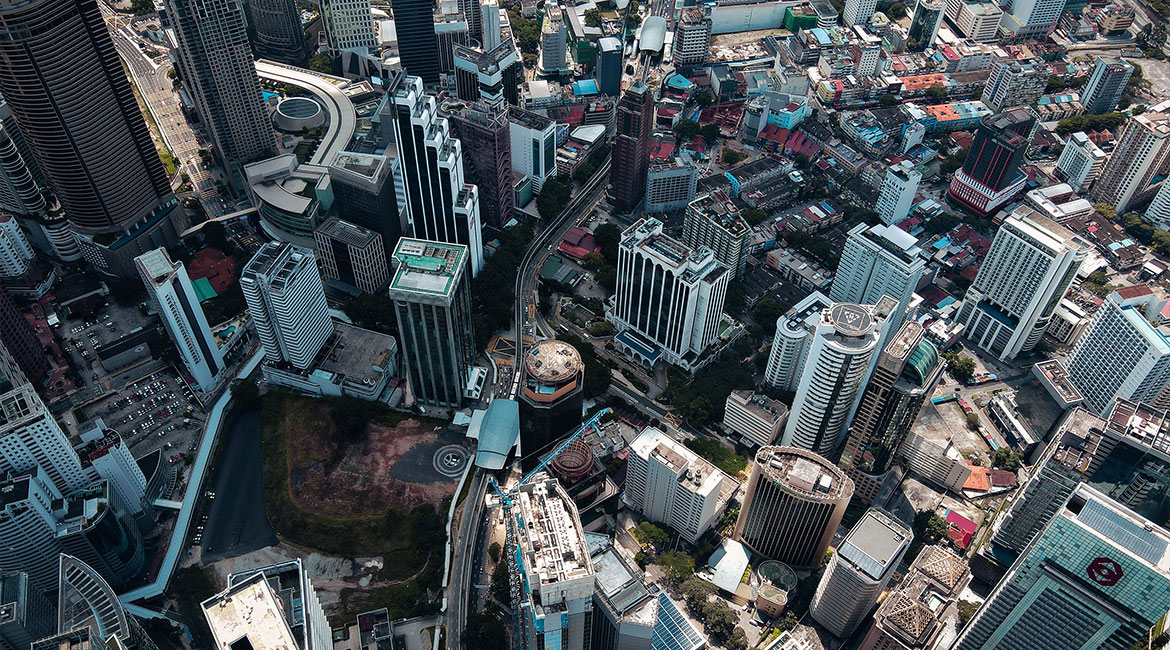
The article frames the IMF’s current reading of global growth, inflation, and financial conditions as a disciplined assessment of a slower but still expanding world economy. - Written by Doğan Erbek
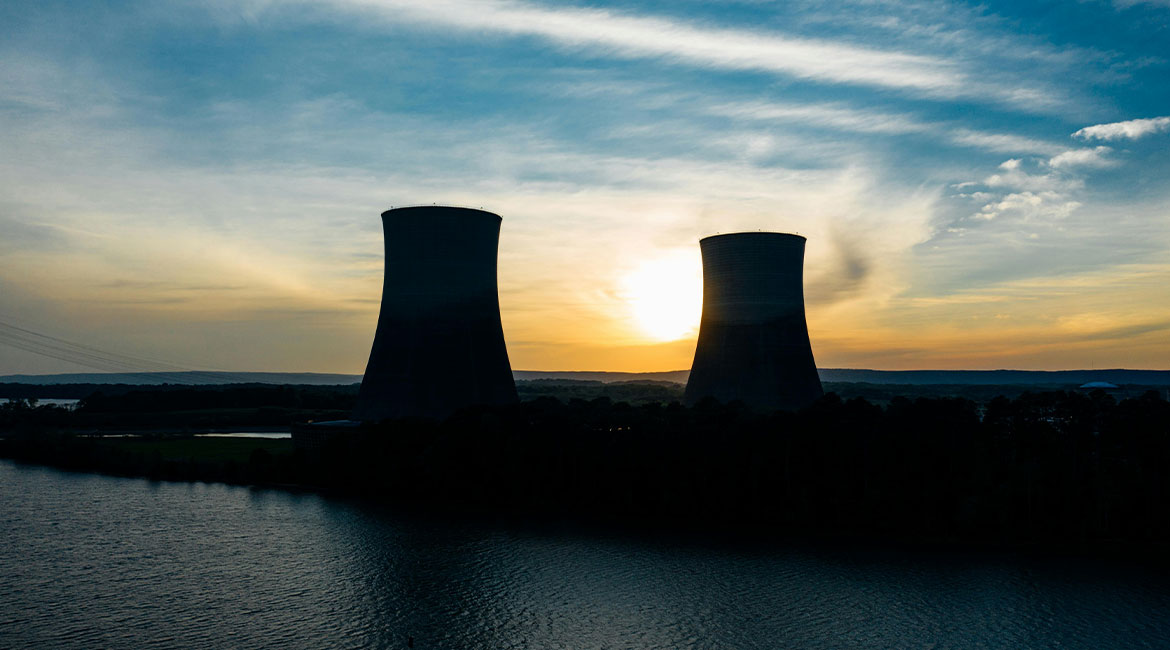
Strategic analysis of how energy diplomacy is reshaping EU regional security, economic resilience, and geopolitical positioning in 2026. - Written by Doğan Erbek
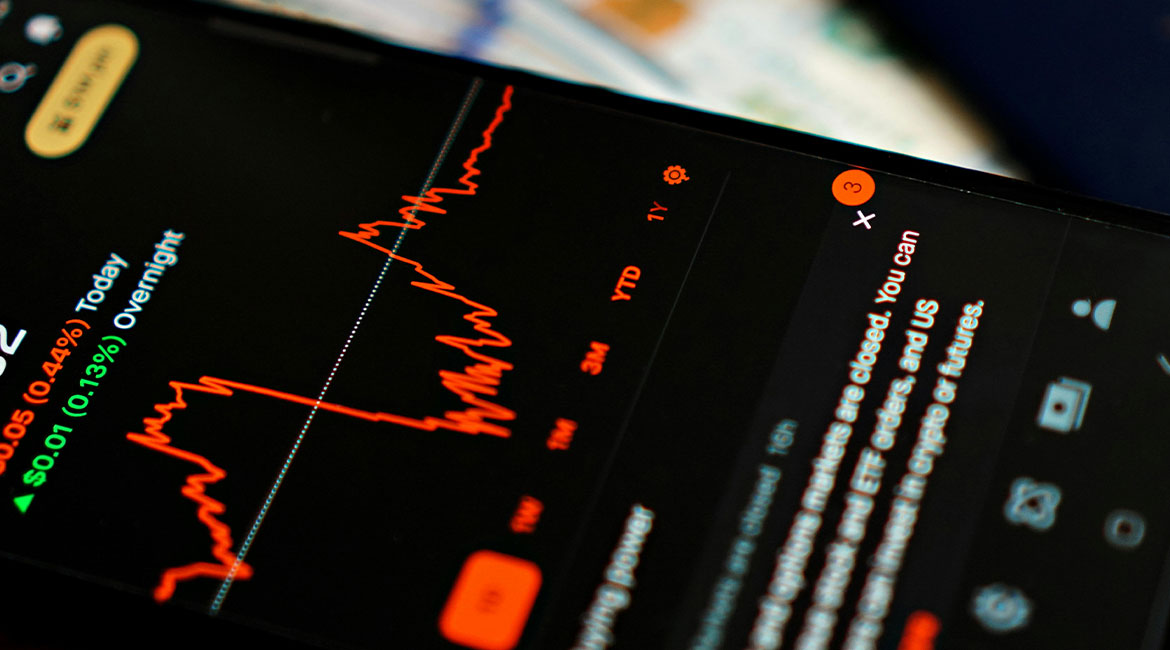
The global economy in 2026 is operating under a cloud of uncertainty unlike any seen since the early years of the pandemic. Here’s how the global economy will shape up in 2026, according to the IMF. - Written by Doğan Erbek
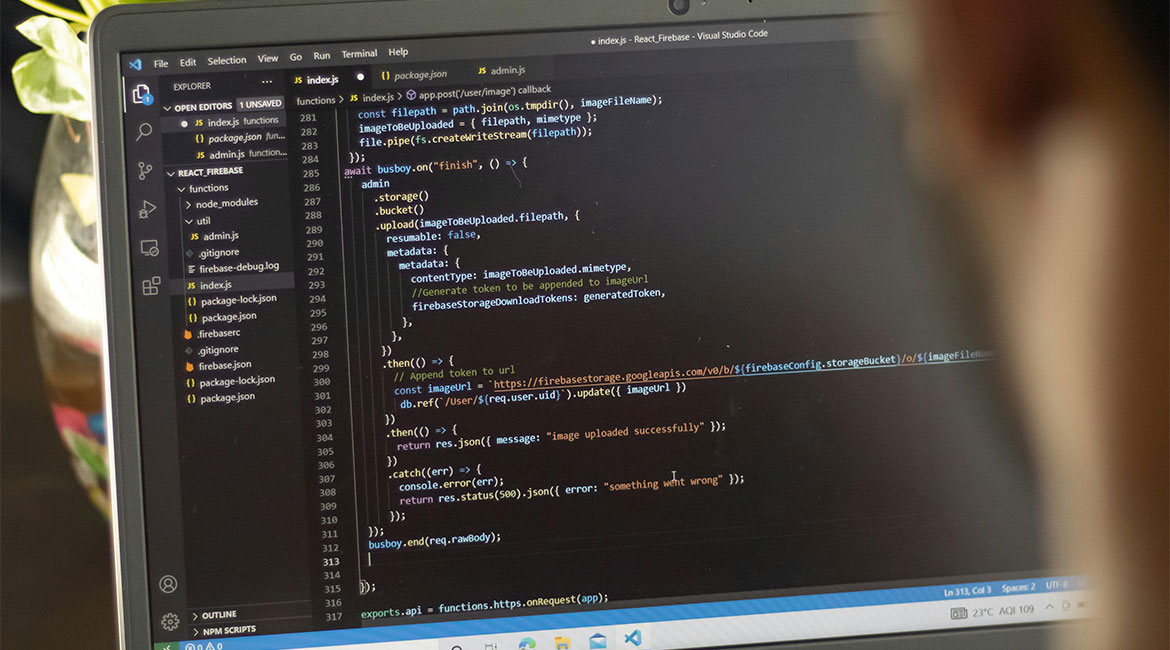
As organizations adopt generative and agentic AI, software is moving beyond static logic and fixed interfaces toward adaptive, conversational, and reasoning-based systems. Here’s why this could redefine value as we know it. - Written by Doğan Erbek

Rising fuel costs have reemerged as a powerful driver of global inflation in 2026, reversing much of the progress many economies made in cooling price pressures after the pandemic. - Written by Doğan Erbek

A cautionary look at how the rapid growth of nonbanks is reshaping financial markets, increasing interconnected risks, and challenging global financial stability. - Written by Doğan Erbek

Global economic resilience in 2026 is driven by coordinated stabilization efforts and proactive fiscal measures, enabling nations to withstand trade tensions and supply shocks through adaptive supply chains and strategic policy alignment. - Written by Doğan Erbek
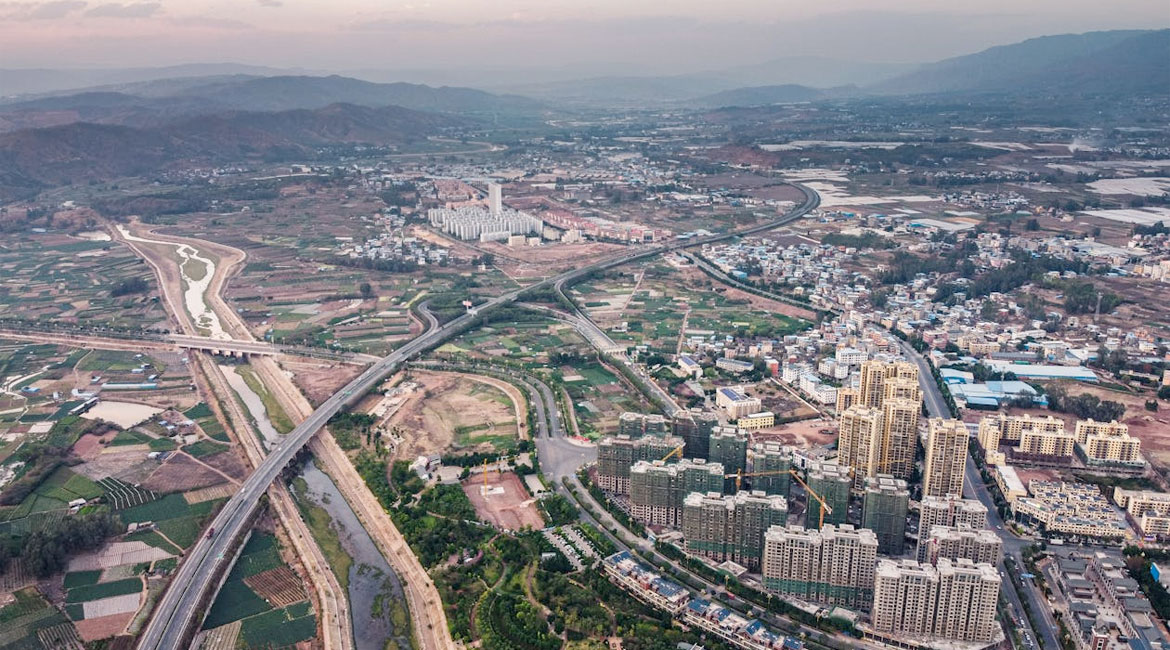
Emerging markets lead global growth in 2026, surpassing 4% GDP and outpacing developed economies, driven by strong demographics, reforms, and investment trends. - Written by Doğan Erbek

The EU is entering a new phase of fiscal governance. Better flexibility and more practical fiscal targets under new rules could increase efficiency and improve compliance. - Written by Doğan Erbek
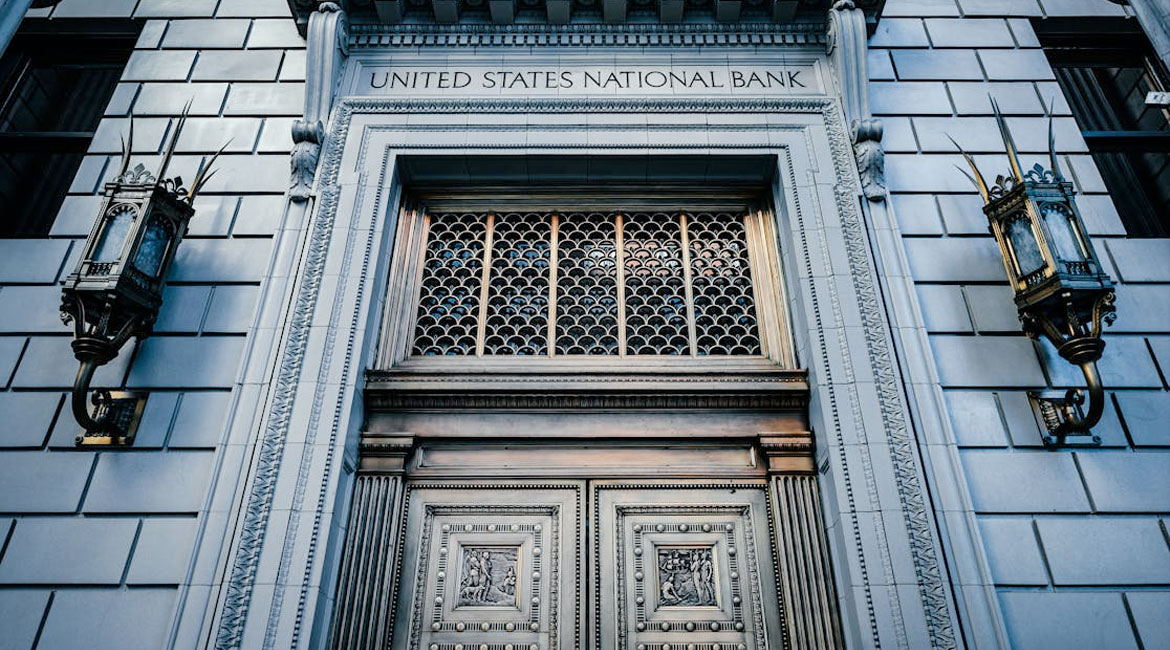
Global growth in 2026 is projected between 2.7% and 3.3%, below pre pandemic averages but still resilient amid trade tensions, fiscal constraints and structural headwinds. The article compares UN, IMF and Goldman Sachs forecasts and highlights what this divergence means for major economies and long term investors. - Written by Doğan Erbek
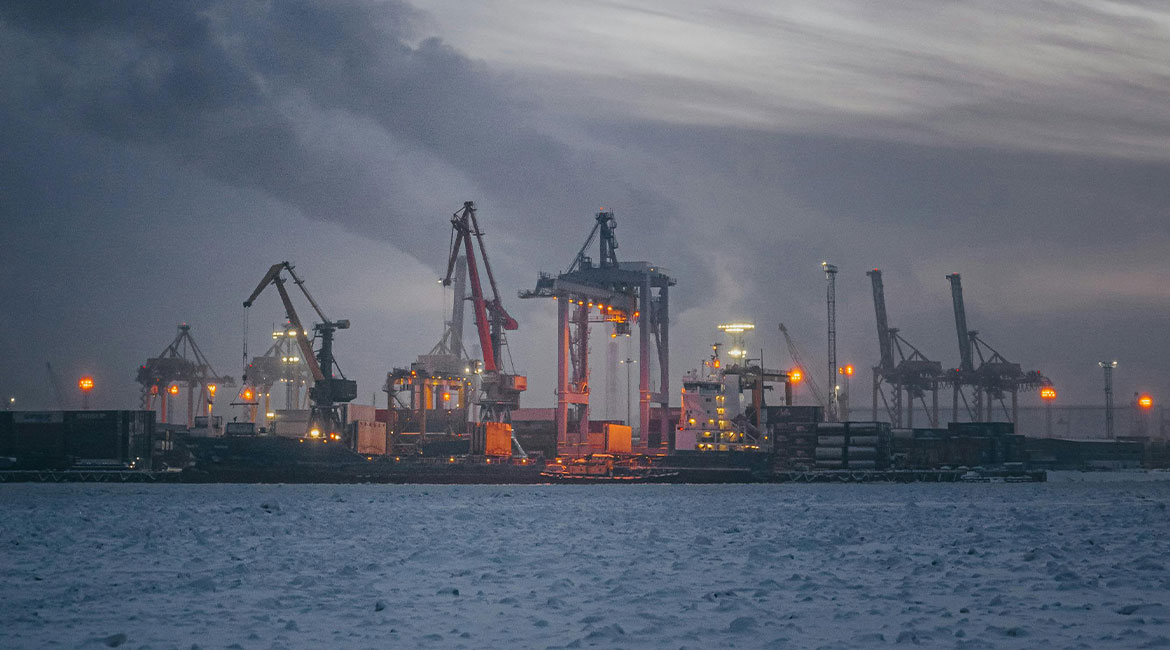
Global trade in 2026 is being shaped by a combination of tariff uncertainty, shifting supply chains and an evolving geopolitical landscape. - Written by Doğan Erbek

The World Economic Forum’s 2026 outlook presents a compelling analysis of a global environment defined by increasing multipolarity and declining multilateral cooperation. - Written by Doğan Erbek

Despite a backdrop of geopolitical tensions, inflationary pressures, and uneven growth, global markets have demonstrated remarkable resilience. Investors and analysts are noting …
